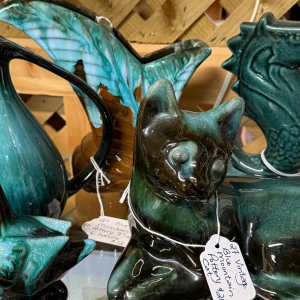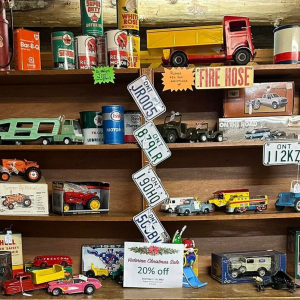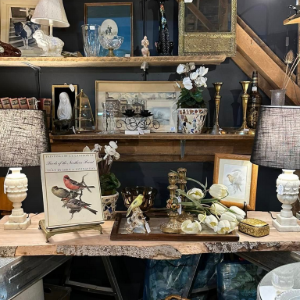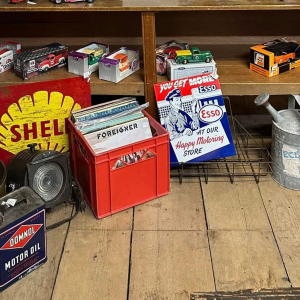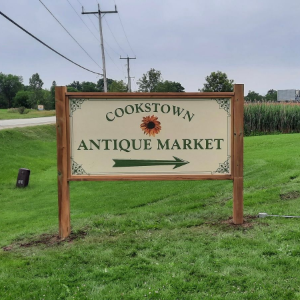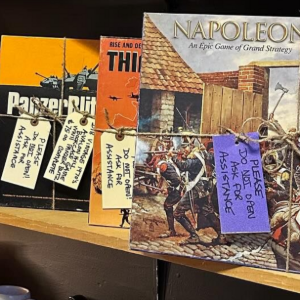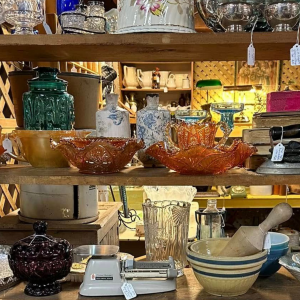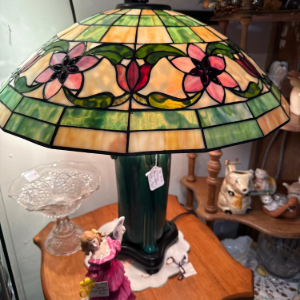

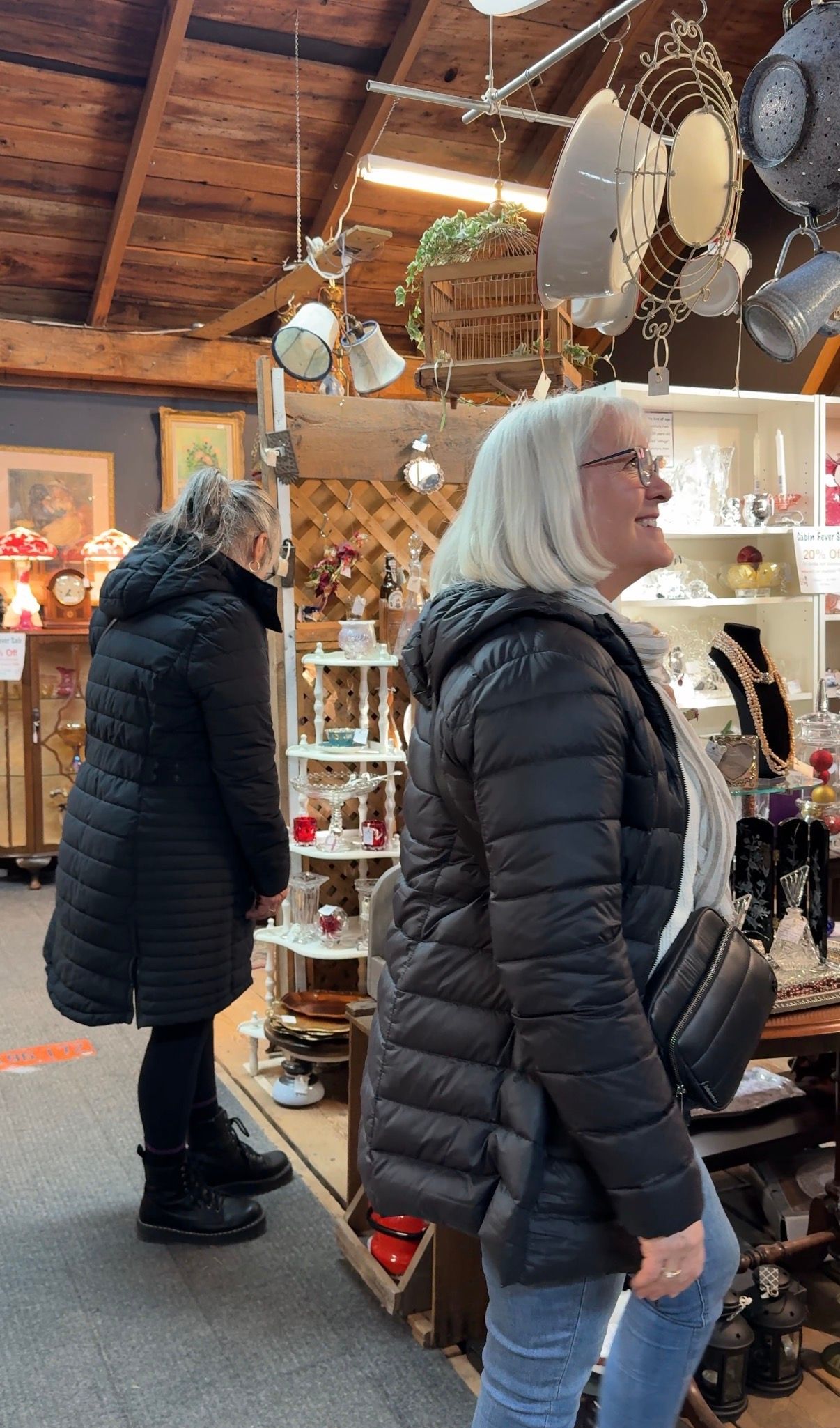
Who shops at Cookstown Antique Market? Everyone. From solo shoppers and couples to families and friends everyone is welcome.
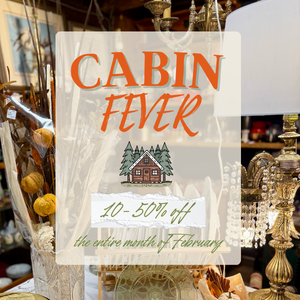
Escape winter cabin fever at Cookstown Antique Market! Receive 10-50% off almost everything in storenow through the end of February.
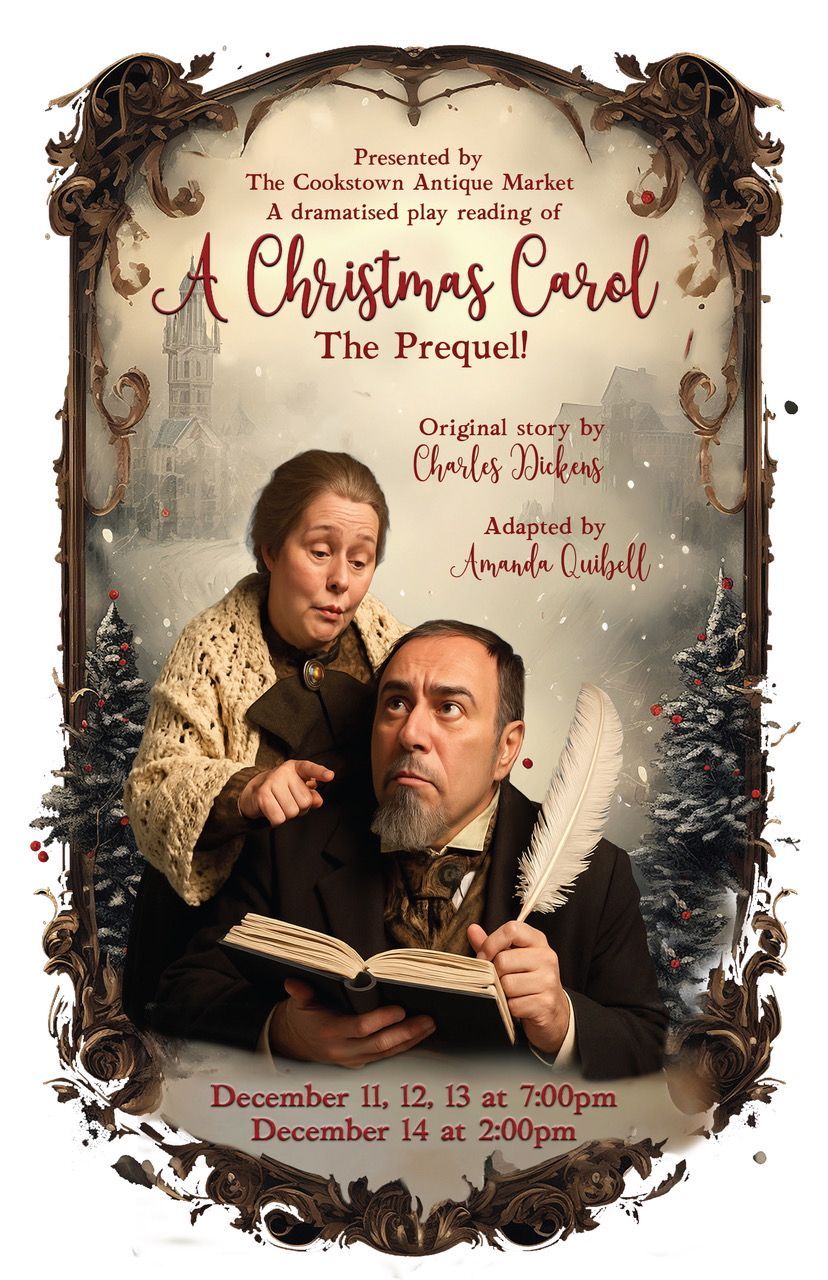
From Mrs. Catherine Dickens, Domestic Providence & Household Muse DEAR FRIENDS AND GOODLY NEIGHBOURS, Mr. Charles Dickens, Author, finds himself in the gravest of literary predicaments: his newest story — A Christmas Carol — simply refuses to move along! To remedy this unfortunate blockage of the imagination, we are hosting a Sociable Reading & Prompting Party , and you are most urgently invited to assist. Join us in the Dickens parlour, where friends and neighbours (that’s you!) shall lend your laughter, and good company to help Mr. Dickens bring his tale to life. Expect a lively reading of A Christmas Carol, complete with pantomime, whimsy, and just a touch of holiday foolishness — for what better cure is there for a stuck story than shared merriment?
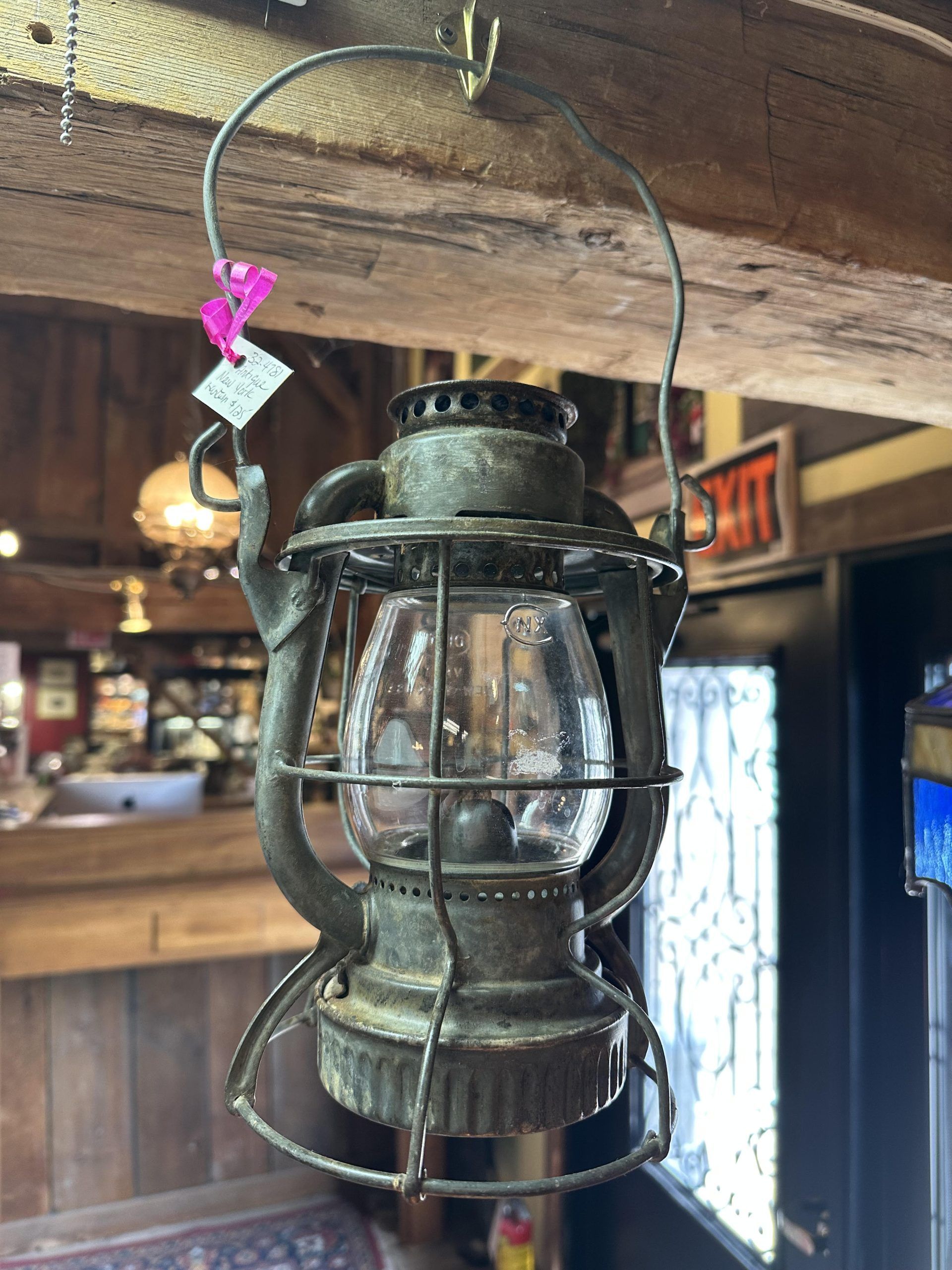
Explore the different types of antique railway lanterns, from fixed globes to conductor’s styles—plus tips on value, markings, and where to find them.